
Workforce
The Observatory’s workforce programme is focused on using research, engagement and evidence to develop evidence and tools to reduce inequalities in access, outcomes and experience between staff of different races and ethnicities in the NHS.
Workforce
The Observatory’s workforce programme is focused on using research, engagement and insight to develop evidence-based interventions and tools to tackle specific inequalities within the NHS workforce.
With over a third of the NHS workforce coming from Black, Asian, and ethnic minority backgrounds, it’s essential that the system comes together to tackle racism and improve the experiences for staff – not least because fully engaged, supported staff leads to improved outcomes for all patients. To do this, we will need to work towards ensuring equity in pay and progression, to reduce experiences of bullying and harassment in the workplace, and to provide leaders with the evidence-based interventions to tackle racial and ethnic inequalities.
Student Advisory Group
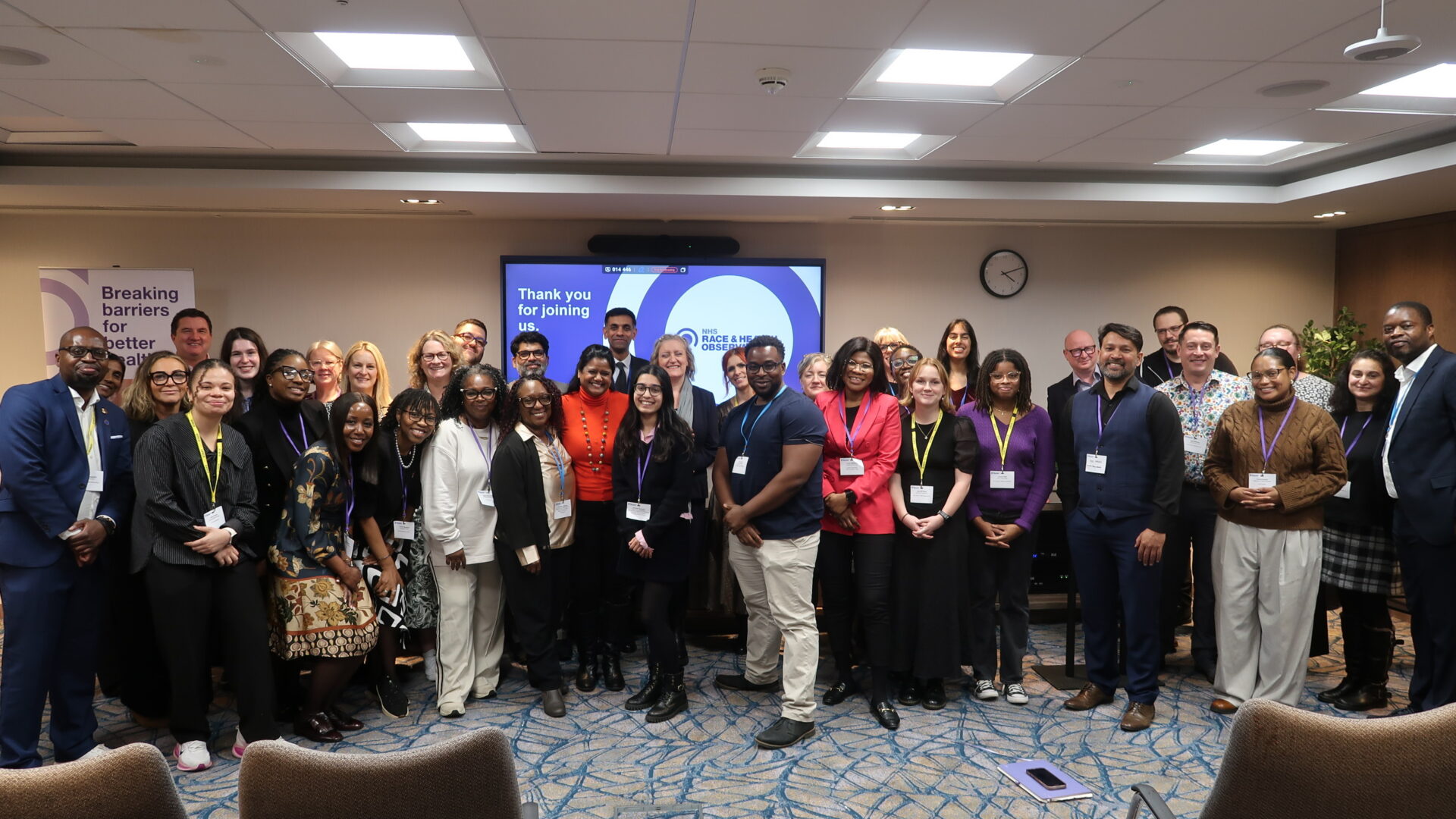
The NHS Race and Health Observatory Student Advisory Group has been established to bring together a diverse cohort of healthcare students from a wide range of disciplines, backgrounds, and lived experiences to act as ambassadors for the Observatory.
The programme officially launched in June 2026, led by Naabil Khan, Associate Fellow of the Higher Education Academy, Observatory Workforce Intern and Final Year Medical Student, Founder of Skin For All.
Students have been selected from a broad range of health disciplines to participate in the project, which runs until June 2027, including Medicine, Nursing, Pharmacy, Physician Associate Studies, Physiotherapy, Occupational Therapy, Speech and Language Therapy, and Allied Health Professions.
All students have a strong interest in reducing health inequalities and ensuring inclusive and representative healthcare education across research, policy, advocacy, community engagement and leadership.
The 16-strong group will act as a dynamic interface between the Observatory and the next generation of healthcare professionals, ensuring that student perspectives actively inform national work on health equity and racial justice.
The group will meet quarterly, with additional subgroup meetings every 6–8 weeks. Key areas advisory group members will focus on include contributing to national RHO projects and consultations, producing evidence reviews and recommendations, co-developing inclusive educational materials and local engagement initiatives. The group will also have the opportunity to review curricula and educational resources as part of wider programmes of commissioned work.
An initial review: Structural Inequities and Student Agency in Medical Education: A Rapid Review of Representation, Knowledge, and Reform, outlines a reflective and evidence-informed exploration of equity within medical education, based on policy, research and lived experiences of those navigating and challenging these systems.
Ethnicity pay and progression gap
We will focus on conducting a thorough independent review of the ethnicity pay and progression gap in the NHS, highlighting not just disparity in pay grades, but also in lifetime earnings, pension accrual, and extra-clinical income such as clinical awards.
In September 2024, 29.5% (449,127) of staff in NHS Trusts and Core Organisations were from an ethnic minority background. This is a 136.0% (258,784) increase from September 2014 when 16.8% (190 343) of staff in NHS Trusts and Core Organisation were from an ethnic minority background. The increase in staff from an ethnic minority background has been recently accelerated by international recruitment. For example, between September 2021 and September 2024, a total of 62,155 nurses and midwives from an ethnic minority background joined the Nursing and Midwifery Council (NMC) England register, compared to 2,780 from a White background.
However, ethnic minority staff in the NHS continue to be significantly underrepresented in senior roles. In September 2024, ethnic minorities made up only 7.9% of staff in Very Senior Management roles compared to 29.5% overall representation. The gap between overall representation and representation at VSM roles has increased from 12.6% in 2014 to 21.6% in 2024. Ethnic minority nurses and midwives representation was 53.7% at AfC band 5 and only 20.4% at AfC band 7 and 9.7% at AfC band 8D.
We are carrying out an independent review into ethnicity pay gaps in the NHS in England. This work will focus on differences in pay, career progression and cumulative financial earning between staff from different ethnicities. The work will also explore potential explanations for any differences and recommendations to reduce and eliminate inequities where they exist.
Bullying and harassment
We are working with the NHS to establish targets for reducing the ethnicity gap in workplace bullying and harassment, and to reduce the overall levels across the NHS.
The 2023 staff survey data show that 24.1% of White and 27.8% of ethnic minority staff in the NHS personally experienced harassment, bullying or abuse at work from patients / service users, their relatives or other members of the public in 2023. 20.7% of White and 24.9% of ethnic minority staff in the NHS personally experienced harassment, bullying or abuse at work from managers and other colleagues. We know there are significant variations between individual trusts. In Acute Trusts, this ranges from 14.1% for White staff to 36.4% for ethnic minority staff.
The numbers and proportions of NHS staff experiencing harassment, bullying and abuse are far too high. We will carry out work to look at current data, trends and examples of good practice in tackling harassment, bullying and abuse. Working with healthcare leaders and academics, we will develop improvement ambitions, targets and actions for NHS organisations. The aim of the work is to help organisations to not only reduce the overall rate of harassment, bullying and abuse, but to also close the gap between the different ethnic groups.
Leadership support and regulation
We have worked with the Observatory’s International Experts Group to develop a global resource for leaders, that draws upon good practice examples from a range of countries on tackling racial and ethnic inequalities in healthcare. In addition, we will make a suite of resources available to NHS organisations to support their journey of becoming equitable and inclusive at all levels.
We are working with the major healthcare regulatory bodies to ensure regulation on race equality is consistent and focuses on key principles. We will support and assure, on an annual basis, the regulators’ commitment to the advancement of race equity and inclusive working environments across the health and care sector and beyond.
In May 2026, we released Improving race equality in your organisation: An evidence based guide for NHS leaders and Workforce Race Equality: What can leaders and staff in the NHS do? at a launch event in London.
Learn more about our joint work with regulators including the CQC and GMC:
- Our shared principles
- Summary of joint roundtable held in June 2025
- Case Study: Putting ED&I aspirations into practice (GMC)
- Case Study: Good practice in supporting workforce race equality through regulation (CQC)
- Case Study: Supporting equitable outcomes in postgraduate education and training (GMC)
RHO’s ‘7 Principles of Anti-Racism for Staff in the NHS’
To help address the challenges associated with racial and ethnic inequalities, we have developed an evidence-based model that presents seven fundamental principles of anti-racism for the workplace. The model is designed to guide the NHS in building equitable and inclusive workplaces.
The simple, evidence-based model of anti-racism is a good start for NHS organisations and healthcare systems to think about the practical steps needed to make significant and sustained improvements on tackling racial inequalities in the workplace.
Learn more: RHO 7 Anti Racism Principles for Staff
Steering group members
Our steering group for the ‘ethnicity pay and progression gap review’, co-chaired by Ashifa Trivedi and Professor Habib Naqvi MBE, provides the strategic and operational oversight to help ensure our work translates into validated, evidence-based resources to drive systemic change across the NHS workforce.

Ashifa Trivedi
Co-Chair (Steering Group), and Clinical Lead Pharmacist - Medicines and Neonates, Evelina London Children's Hospital
Ashifa Trivedi
Co-Chair (Steering Group), and Clinical Lead Pharmacist - Medicines and Neonates, Evelina London Children's Hospital
Ashifa Trivedi is a paediatric pharmacist with a portfolio career across Evelina London Children’s Hospital, Alder Hey Children’s Hospital and the PATCH hospital-at-home service in North West London. Her work focuses on medicines optimisation, safety and pharmacoeconomics, with a strong emphasis on reducing unwarranted variation and improving equitable access to paediatric medicines across diverse care settings.
She is Vice Chair and Equity, Diversity and Inclusion Lead for the Neonatal and Paediatric Pharmacy Group (NPPG), where she leads initiatives to strengthen representation of district general hospitals, embed inclusive workforce standards and widen opportunities for professional development across the paediatric pharmacy community. Ashifa also serves as a Core20PLUS Ambassador (2024/25), supporting national efforts to address health inequalities and improve outcomes for underserved groups.
Her national work includes contributions to the RCPCH/NPPG Medicines Committee, with a particular focus on improving equity and consistency in paediatric care pathways. She has also published on inclusive leadership, professional development and the role of equity within the healthcare workforce, including research examining how structural barriers affect opportunities and representation. Her work reflects a commitment to addressing inequalities that shape the experiences and outcomes of children, young people and their families, as well as colleagues across the health system.
Professor Habib Naqvi MBE
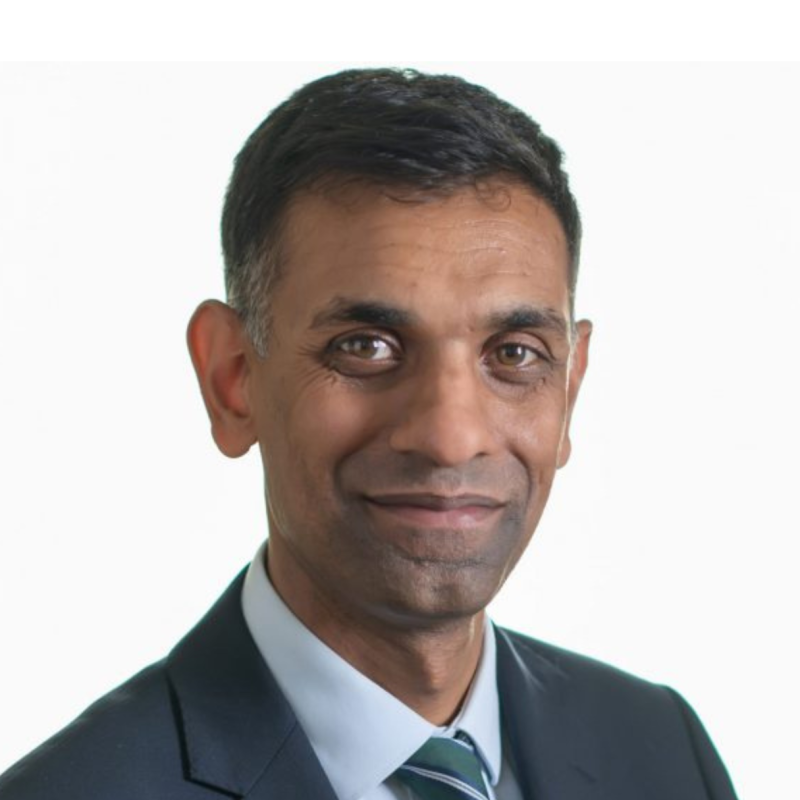
Co-Chair (Steering Group), and Chief Executive, NHS Race and Health Observatory
Professor Habib Naqvi MBE
Co-Chair (Steering Group), and Chief Executive, NHS Race and Health Observatory
At the RHO, Habib Naqvi is accountable for organisation-wide strategic planning, performance, oversight and delivery. He directs the successful implementation of a far-reaching multi-year, multi-million pound work programme with measurable outcomes. He leads national health policy and is responsible for strategic global partnerships that address systemic health inequalities affecting patients, communities and the healthcare workforce.

Professor John Appleby
Former Director of Research and Chief Economist, Nuffield Trust
Professor John Appleby
Former Director of Research and Chief Economist, Nuffield Trust
John Appleby Former Director of Research and Chief Economist, Nuffield Trust John joined the Nuffield Trust as Director of Research and Chief Economist in 2016 following his position at the King’s Fund as Chief Economist, and senior lectureships in health economics at the Universities of East Anglia and Birmingham. After his masters in health economics at the University of York in 1980, he worked in the NHS for seven years in Birmingham and London. John has published widely on a range of health care finance and economic issues in books, academic journals, reports, magazines, and newspapers.
He is a regular columnist for the British Medical Journal. As well as his former post at the Nuffield Trust, John is a Visiting Professor at the Department of Economics, City University, London, and at the Institute of Global Innovations at Imperial College London
Karen Barnard
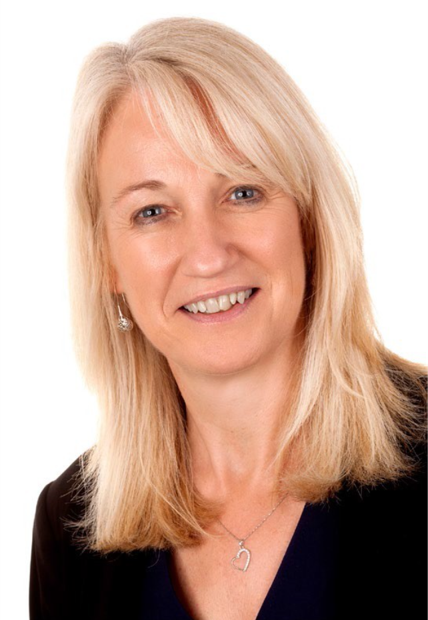
Assistant Director - Employment Relations, NHS Employers and Employer Secretary, NHS Staff Council
Karen Barnard
Assistant Director - Employment Relations, NHS Employers and Employer Secretary, NHS Staff Council
My current role is Assistant Director, Employment Relations in NHS Employers and employer secretary to the NHS Staff Council. Prior to joining NHS Employers in 2022 I worked in the NHS for almost 40 years within Human Resources, my most recent role being Director of People & OD at Doncaster & Bassetlaw Teaching Hospitals. I am a member of the CIPD

Melissa Berry
Diversity Consultant
Melissa Berry
Diversity Consultant
Melissa started her career with Centrica PLC where she worked for 10 years before moving to the public sector. She now works as a diversity consultant providing advice and designing and delivering projects across both blue-chip private sector and public sector organisations. Melissa has delivered a broad range of strategic projects using her extensive knowledge of cultural diversity, specifically as it relates to establishing an inclusive positive workplace culture. Melissa advises brands on how to achieve greater diversity internally within their organisations as well as with publicity, marketing and advertising campaigns. Melissa has particular expertise in developing diversity programmes in response to peoples’ experiences in the workplace and supporting boards to drive change. She regularly provides advice to clients and develops bespoke strategies across all diversity strands along with training sessions for boards, leadership teams and the wider organisation. Recently, she has been working within the NHS and regularly speaks at conferences delivering talks on race.

Celestine Laporte
National officer (Health Team), UNISON
Celestine Laporte
National officer (Health Team), UNISON
Celestine Laporte is a national officer in the health team at UNISON, the UK’s largest trade union, representing almost half a million members working in healthcare.
She leads on equalities for the health team and oversees its Race for Equality campaign, tackling racism against staff in the NHS. She is the strategic lead for the union’s work to ensure UNISON workplace representatives are trained to use the Workforce Race Equality Standard to hold NHS employers to account on improving race discrimination.
Celestine is the national lead for UNISON’s Science, Therapy and Technical committee, overseeing the union’s policy agenda for allied health professionals and scientific staff across the NHS.
She represents UNISON on the NHS Staff Council’s Equality, Diversity and Inclusion Group and is committed to promoting this agenda across the NHS.

Bernadette Thompson OBE
Director of People and Culture, North Middlesex University Hospital
Bernadette Thompson OBE
Director of People and Culture, North Middlesex University Hospital
Bernadette Thompson OBE is an accomplished Human Resources leader with specialist expertise in culture change and inclusion. She is currently the Director of People and Culture at North Middlesex University Hospital and communities, part of the Royal Free NHS Foundation Trust. Her previous NHS leadership roles include Director of Equity, Diversity and Inclusion at King’s College Hospital and Associate Director of Inclusion at Barts Health Trust.
Before moving into the NHS, Bernadette built an outstanding 23-year career in the Civil Service, where she left a legacy across major Government Departments and Agencies including the Ministry of Justice, Home Office, HM Treasury, Legal Aid Agency, Cabinet Office, and the Department for Levelling Up, Housing, and Communities.
Renowned for driving organisational transformation, she has developed and delivered strategies that embed inclusion, reshape workplace cultures, and expand talent pipelines. Her five-year tenure as co-chair of a cross-Government race network secured multiple accolades and positioned the network as a powerful catalyst for change across the public sector.
A respected keynote speaker and facilitator, Bernadette is recognised for her compelling insights on leadership, culture, diversity, employee engagement, and wellbeing. Her influence has been acknowledged with numerous prestigious awards: Workplace Hero at the Investing in Ethnicity Awards (2020), the We Are the City Rising Star Champion Award and an OBE for services to Diversity and Inclusion (2021), a place on the UK’s Top 100 D&I Inspirational Leaders Powerlist and the Women for Africa D&I Award (2023), the Zenith Global Healthcare Leadership Award and the Nigerian Magazine Award for Culture (2024). In 2025, she was honoured with the RKY Careers Diversity and Inclusion Legacy Award, and selected to the role of Honorary EDI fellowship with the University of East London, celebrating her enduring impact as one of the UK’s most influential voices in inclusive leadership.
Her thought leadership extends to contributions in publications such as Still Breathing and SHE2’s Wonder Women, where she continues to redefine what inclusive leadership looks like in modern workplaces.
Alongside her professional achievements, Bernadette has dedicated over 18 years as a Community Governor at a local infant school and has volunteered at global events including the 2012 Olympics, 2017 World Athletics Championships, and the 2022 Commonwealth Games. She also volunteers as a Trustee for Black Inclusion Week and sits on advisory committees for BWHR for ethnic minorities, Career Nuggets and the NHS RHO Ethnicity Pay and Progression gap advisory group continuing to champion meaningful change within and beyond the workplace.
Nomalanga Makhanda
Deputy Chief Allied Health Professional and Professional Lead Occupational Therapist, Rotherham Doncaster and South Humber NHS Foundation Trust
Nomalanga Makhanda
Deputy Chief Allied Health Professional and Professional Lead Occupational Therapist, Rotherham Doncaster and South Humber NHS Foundation Trust
Noma is an Occupational Therapist that has worked in clinical settings and in strategic roles within the NHS in the last 15 years. Noma has worked within inpatient and community mental health and learning disability settings and her roles have included the provision of specialist clinical assessment and treatment for adults and older adults. Noma is a Professional Lead for Occupational Therapist and Deputy Chief Allied Health Professional at a Foundation Trust in Yorkshire, keenly driving forward clinical practice, learning and supporting the development of future Allied Health Professional workforce and enable the delivery of excellent multi-disciplinary team within the teams.
Noma is the outgoing chairperson for the Chief Allied Health Professional Office Black Asian Minority and Ethnic (BAME) Strategic Advisory Group (NHS England) having served for 2yrs (2023-2025). Noma has extensive experience in leading system change and quality improvement. She is a Leadership Coach and Mentor using these skills to build confidence, support and talent manage colleagues especially those from a BAME background. Noma has presented at national conferences on mental culture and speaking up issues, diversity and her leadership and health inequalities. She is a wife and mother of 2 teenagers, loves to read, watch any binge worthy telly and loves to cook Zimbabwean meals for her family as a way of relaxing, keeps her linked to her roots.

Mitchell Fernandez
Deputy Chief Nurse, Buckinghamshire Healthcare NHS Trust
Mitchell Fernandez
Deputy Chief Nurse, Buckinghamshire Healthcare NHS Trust
Mitchell Fernandez is an internationally educated nurse who completed a BSc in Nursing in the Philippines in 1994. He moved to the UK in 2002 to join his wife, who is also a registered nurse. Mitchell began his career in the UK as a health care assistant and completed his Overseas Nursing Programme at London North West University Hospital in 2004. He has since earned a BSc (Hons) degree in Health Protection and a Postgraduate degree with merit in Public Health, both from London South Bank University.
Mitchell brings a wealth of experience to his role, having worked in private hospitals, several NHS acute teaching hospitals, commissioning, and community services. He has held positions such as Associate Chief Nurse in an integrated care organisation in London, Deputy Chief Nurse and Chief Nursing Information Officer in Midland, and Assistant Chief Nurse at St George’s University Foundation Hospital in South West London. Additionally, Mitchell is an alumnus of the Florence Nightingale Foundation, having completed the aspiring Director of Nursing programme.
Mitchell is deeply committed to supporting overseas nurses and those from ethnic minorities, driven by his own lived experiences. He is dedicated to helping these nurses maximise their potential, utilise their previous experiences, and advance their careers within the NHS.
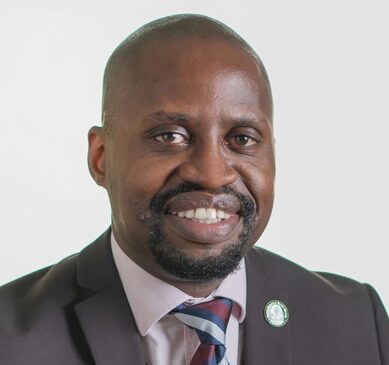
Owen Chinembiri
Assistant Director - Workforce, NHS Race and Health Observatory
Owen Chinembiri
Assistant Director - Workforce, NHS Race and Health Observatory
Owen Chinembiri has over 22 years’ experience of working in health care across three countries. Owen is an alumnus of the NHS Graduate Scheme (Health Informatics specialism) and has worked in various management/leadership roles for equality diversity inclusion, transformation, performance, and informatics teams. Owen was previously the lead analyst in the NHS England Workforce Race Equality Standard implementation team. Prior to working in the UK, he worked as an Occupational Therapist in his native Zimbabwe and in Botswana. Owen is passionate about using data and technology to improve patient care and staff experiences.
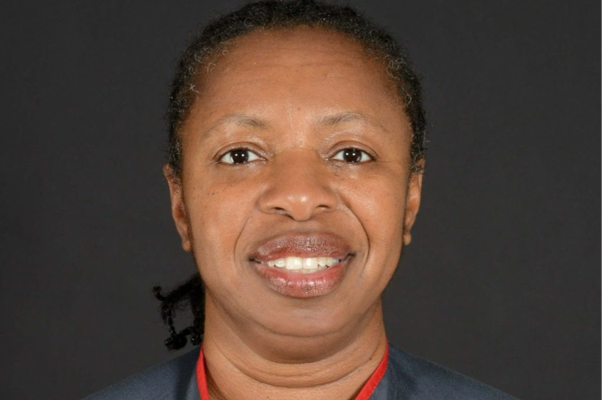
Felicia Kwaku OBE
Associate Director of Nursing, King's College Hospital NHS Foundation Trust
Felicia Kwaku OBE
Associate Director of Nursing, King's College Hospital NHS Foundation Trust
Felicia Kwaku OBE has been an associate director of nursing since 2017 at King’s College Hospital, NHS Foundation Trust and holds a national position as the chair of the chief nursing officer and chief midwifery officer’s Black Minority Ethnic Strategic Advisory Group, NHS England. Felicia has always had a passion for clinical practice ensuring that patients as well as staff are at the centre of our care. She believes that if the workforce is not highly valued then this is reflected in poor care delivery. Felicia still performs clinical duties and is highly visible both in and out of uniform.
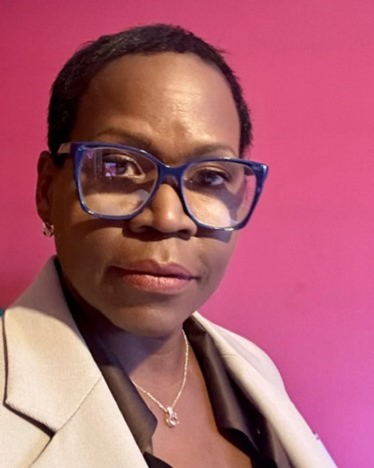
Professor Heather Caudle
Interim Chief Nurse and Executive Director, Sheffield Partnership University NHS Foundation Trust
Professor Heather Caudle
Interim Chief Nurse and Executive Director, Sheffield Partnership University NHS Foundation Trust
Heather is committed to the academic rigor underpinning equity and inclusion interventions for nursing as evidenced by research activity, which includes her co-authorship of “Melting the Snowy White Peaks: The needs, expectations and experiences of Black, Asian and minority ethnic student nurses to support equitable nursing education and career progression” (Sept 2023), an anti-racism framework, and practice proposal with significant implications for health and social care.

Antemeka Cobham-Wilson
Race Equality Lead
Antemeka Cobham-Wilson
Race Equality Lead
She previously led on the anti-racism programme for the NHS North West Black, Asian, and Minority Ethnic Assembly and the implementation of the Anti-racist Framework across the NHS in the North West. She has previously held various roles in local authorities across London. Antemeka is also a Trustee at BHA for Equality and a member of the Mayor’s Race Equality Panel.
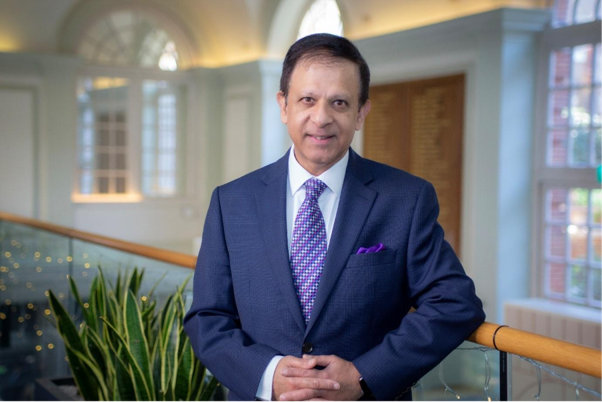
Dr Chaand Nagpaul CBE
GP partner and Chair, British Medical Association Forum for Racial and Ethnic Equality GP partner
Dr Chaand Nagpaul CBE
GP partner and Chair, British Medical Association Forum for Racial and Ethnic Equality GP partner
Dr Chaand Nagpaul is a GP partner who has worked in his practice in North London for over three decades.
He has also dedicated his professional life representing and supporting doctors. He is past chair of the BMA GPs committee and was the first black and minority ethnic chair of the BMA Council from 2017 to 2022. As BMA chair, he led the medical profession through the challenges of the Covid pandemic.
He has long advocated for racial equality in medicine and led the BMA’s seminal project on Racism in Medicine in 2022. He is chair of the BMA Forum for Racial and Ethnic Equality and a board member of the NHS Race and Health Observatory.
He is co-chair of the charity Doctors in Distress, which aims to protect and promote the mental health of all healthcare professionals and to prevent self-harm and suicide.
He is a member of the RCGP council, and chairs the North West London LMCs network representing GPs across NW London.
He has been awarded the CBE for services to primary care, a Fellowship of the Royal College of General Practitioners and an Honorary Fellowship of the Faculty of Public Health.
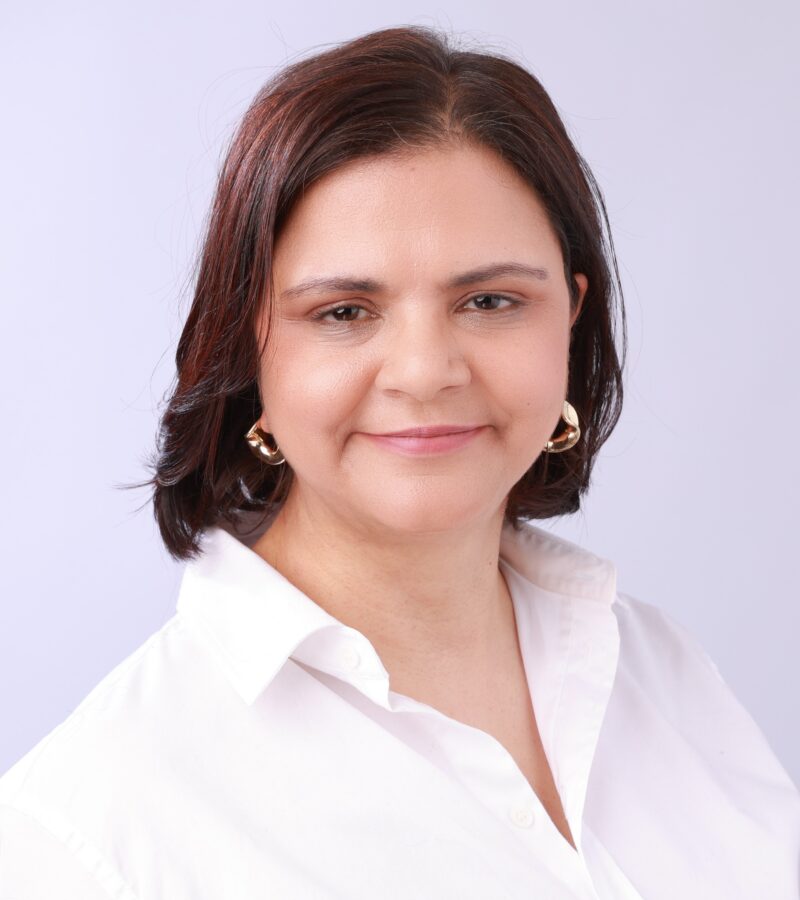
Meena Anand
Non-Executive Director, Central and North West London NHS Foundation Trust and Origin Housing
Meena Anand
Non-Executive Director, Central and North West London NHS Foundation Trust and Origin Housing
Meena is an experienced human resources professional. She currently serves as a Non-executive Director at both CNWL NHS Foundation Trust and Origin Housing. She is also a Trustee for the Community Schools, Multi Academy Trust and Hyfa, a financial inclusion charity. Meena is on the Inspire List (Trustees Unlimited) and has been recognised as one of the 100 Women to watch to be a FTSE 350 NED by Cranfield in 2021.
In addition to her Board work, Meena recently founded The Careers Company a career development company focused on the career success of diverse employee groups and is the CEO for City HR, a 50-year old professional trade association for HR professionals in the City.
She was latterly the Managing Director and Chief HR Officer for the 30,000 strong Global Business Services arm of Standard Charted Bank.
The Research team
The workforce programme will be led by researchers from the Universities of: Surrey, Exeter, Birmingham, Sheffield and Liverpool.
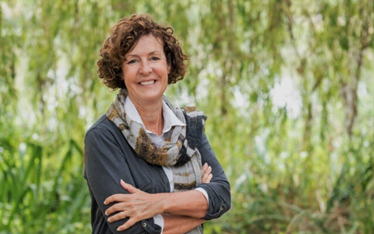
Professor Carol Woodhams
Professor of Human Resource Management
Professor Carol Woodhams
Professor of Human Resource Management
Professor Carol Woodhams is a distinguished HR scholar whose rigorous research into pay inequalities, particularly within the NHS, has earned her national recognition and impacted policy and institutional practice. From 2018 – 2020 she led the research for the Gender Pay Gap in Medicine Review, funded by DHSC. A noted leader and influencer, her blend of academic excellence and practical advocacy continues to shape fairer workplace practices.

Doyin Atewologun
Professor (Hon.) at the University of Exeter
CEO and Founder of Delta
CEO and Founder of Delta
Doyin Atewologun
Professor (Hon.) at the University of Exeter
CEO and Founder of Delta
CEO and Founder of Delta
Professor Doyin Atewologun Professor (Hon.) at the University of Exeter is a psychologist, scholar practitioner, a regular media contributor and multi-award winner in recognition of her innovative methodologies and pioneering work in promoting inclusion and excellence in organisations. She is CEO and Founder of Delta, a niche leadership and inclusion consultancy that serves global clients and was previously Dean of the Rhodes Scholarships, at the University of Oxford and Director of the Gender, Leadership and Inclusion Centre at Cranfield School of Management and Reader. Doyin has addressed global audiences and has been invited to industry judging panels to amplify underrepresented talent and help identify and evaluate outstanding work in academic publications with practical evidence-based impact.

Professor Giuseppe Moscelli
Professor of Economics at the University of Surrey
Professor Giuseppe Moscelli
Professor of Economics at the University of Surrey
Professor Giuseppe Moscelli is Professor of Economics at the University of Surrey. An applied microeconomist, his research focuses on health and labour economics, particularly healthcare quality, patient access, workforce retention, and inequalities. He employs advanced econometric methods to evaluate health policies, with major projects on NHS workforce dynamics and hospital performance.

Nabeela
Consultant, Delta
Nabeela
Consultant, Delta
Nabeela is a medical doctor, health equity researcher, and global health practitioner whose career spans clinical practice, academic research, and system-level health innovation. She works at the intersection of healthcare delivery and evidence-based reform, with particular expertise in context responsive approaches to care in several settings. Drawing on a deep understanding of structural health inequities, Nabeela advances practice informed research that supports workforce sustainability and inclusivity.

Dr Nicola Burton-Brown
Post-doc Research Fellow
Dr Nicola Burton-Brown
Post-doc Research Fellow
Dr Nicola Burton-Brown MA (Oxon) MSc AFA is post-doc Research Fellow in the Business School at the University of Surrey. A qualified actuary with extensive experience in academia, consultancy, and research, her work focuses on gender, health, family, and work inequalities, combining advanced statistical analysis with applied social research.

Jeremy Dawson
Professor of Health Management, University of Sheffield
Jeremy Dawson
Professor of Health Management, University of Sheffield
Experienced health services researcher and statistician, with particular expertise in workforce issues, particularly the NHS staff survey, and employee diversity. Has held over £10 million in grant funding as a principal or co-investigator, and previously led an evaluation of the WRES amongst other relevant projects.
Role: Lead on WP1 (quantitative data analysis), working on statistical analysis of data.

Justin Aunger
Research Fellow, Midlands Patient Safety Research Collaboration, University of Birmingham
Justin Aunger
Research Fellow, Midlands Patient Safety Research Collaboration, University of Birmingham
Justin has significant qualitative and realist research experience, including delivering prior research relating to unprofessional behaviour between healthcare staff. Co-applicant on £2m in grant funding from NIHR. Experience delivering projects on time for funders including NIHR, European Commission, and others.
Role: Project lead, project delivery to a high standard including time, budget & outputs. 30 days allocated for project leadership. Expertise on topic of unprofessional behaviours in healthcare and qualitative methodological expertise. Responsibility for the management of the Research Fellow based at the University of Birmingham. Leading on reporting and dissemination in line with the Observatory’s requirements

Jane Ferguson
Assistant Professor of Health Services Management, Health
Services Management Centre, University of Birmingham
Services Management Centre, University of Birmingham
Jane Ferguson
Assistant Professor of Health Services Management, Health
Services Management Centre, University of Birmingham
Services Management Centre, University of Birmingham
Experienced mixed methods healthcare workforce researcher with expertise in quality, safety and the healthcare workforce including coproduction, qualitative and case study methods. Co-applicant on three prior HS&DR grants relating to the healthcare workforce and PI on an NIHR funded study about reducing and preventing unprofessional behaviour in the NHS.
Role: qualitative expertise, methodological oversight, co-production activities, synthesis and write-up of findings.

Olivia Joseph
Safety Equity Senior Research Fellow, Yorkshire and Humber
Patient Safety Research Collaboration, Bradford Teaching
Hospitals NHS Foundation Trust
Patient Safety Research Collaboration, Bradford Teaching
Hospitals NHS Foundation Trust
Olivia Joseph
Safety Equity Senior Research Fellow, Yorkshire and Humber
Patient Safety Research Collaboration, Bradford Teaching
Hospitals NHS Foundation Trust
Patient Safety Research Collaboration, Bradford Teaching
Hospitals NHS Foundation Trust
Olivia has qualitative and quantitative research and community engagement expertise. Her PhD focused specifically on racially minoritised ethnic staff experiences of incivility, its consequences for staff, and for patient safety.
Role: Topic expert – institutional racialisation, racism and methodological expertise (e.g., racialised incivility, safety equity, document analysis, digital diaries, interviews, critical ethnography). PPIE, Experts by Experience and community engagement lead.

Dr Ashok Patnaik
Research Fellow, University of Birmingham
Dr Ashok Patnaik
Research Fellow, University of Birmingham
Dr Ashok Patnaik is an experienced qualitative researcher dedicated to reducing inequalities in experience of healthcare staff. He has strong topic expertise, having recently worked on a project about how ethnic minority doctors in the UK experience the medical workplace and career progression in medicine.
Role: Overall project delivery for WP2 across case study sites, ethics submission, project management, initial drafting of report(s), supporting PPIE and community engagement.
Race Equality Leadership Event
Access the presentation slides from our event which brought together 150 senior NHS leaders, including former and current chief executives, board members and directors, for an important conversation designed to help NHS organisations confront, address and implement race equality in the workplace.
Speaker slides below are from Professor Habib Naqvi MBE, Yvonne Coghill CBE, Dr Heidi Green and Professor David R. Williams.
Speaker slides below are from Professor Habib Naqvi MBE, Yvonne Coghill CBE, Dr Heidi Green and Professor David R. Williams.
Workforce Roadshows
Access the presentation slides from our regional roadshows focused on building anti-racist healthcare systems and closing ethnic disparities in the NHS workforce. These materials cover critical areas including closing the ethnicity pay gap, the impact of artificial intelligence on health equity, and practical strategies for organisations to move from identifying problems to implementing active anti-racist interventions.