

Observatory commissions study to estimate cost of racism in healthcare
The NHS Race and Health Observatory has commissioned a major study to investigate the economic cost of racism in health and healthcare in England.
Comment and analysis on key issues on ethnic health inequalities in health and social care.
The NHS Race and Health Observatory has commissioned a major study to investigate the economic cost of racism in health and healthcare in England.
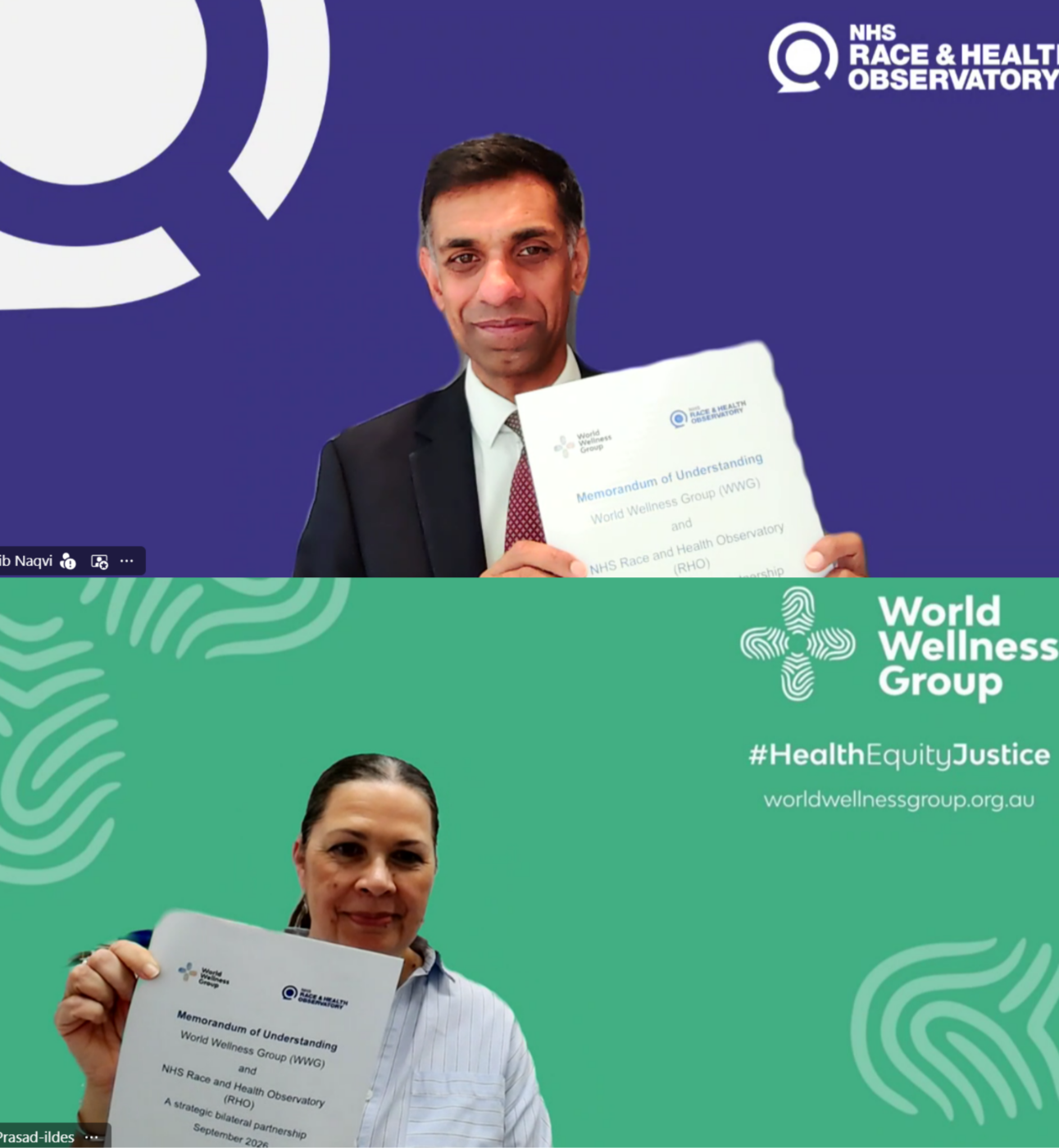
The NHS Race and Health Observatory (RHO) and World Wellness Group (WWG), Australia's leading independent multicultural primary health service, have signed a Memorandum of Understanding (MoU) establishing a landmark international partnership to advance health equity for multicultural communities.

Artificial intelligence (AI) used across NHS healthcare must embed racial equity to ensure full participation and build further trust with diverse communities and patients.
The NHS Race and Health Observatory is devastated by the untimely and tragic death of Professor Jason Arday.
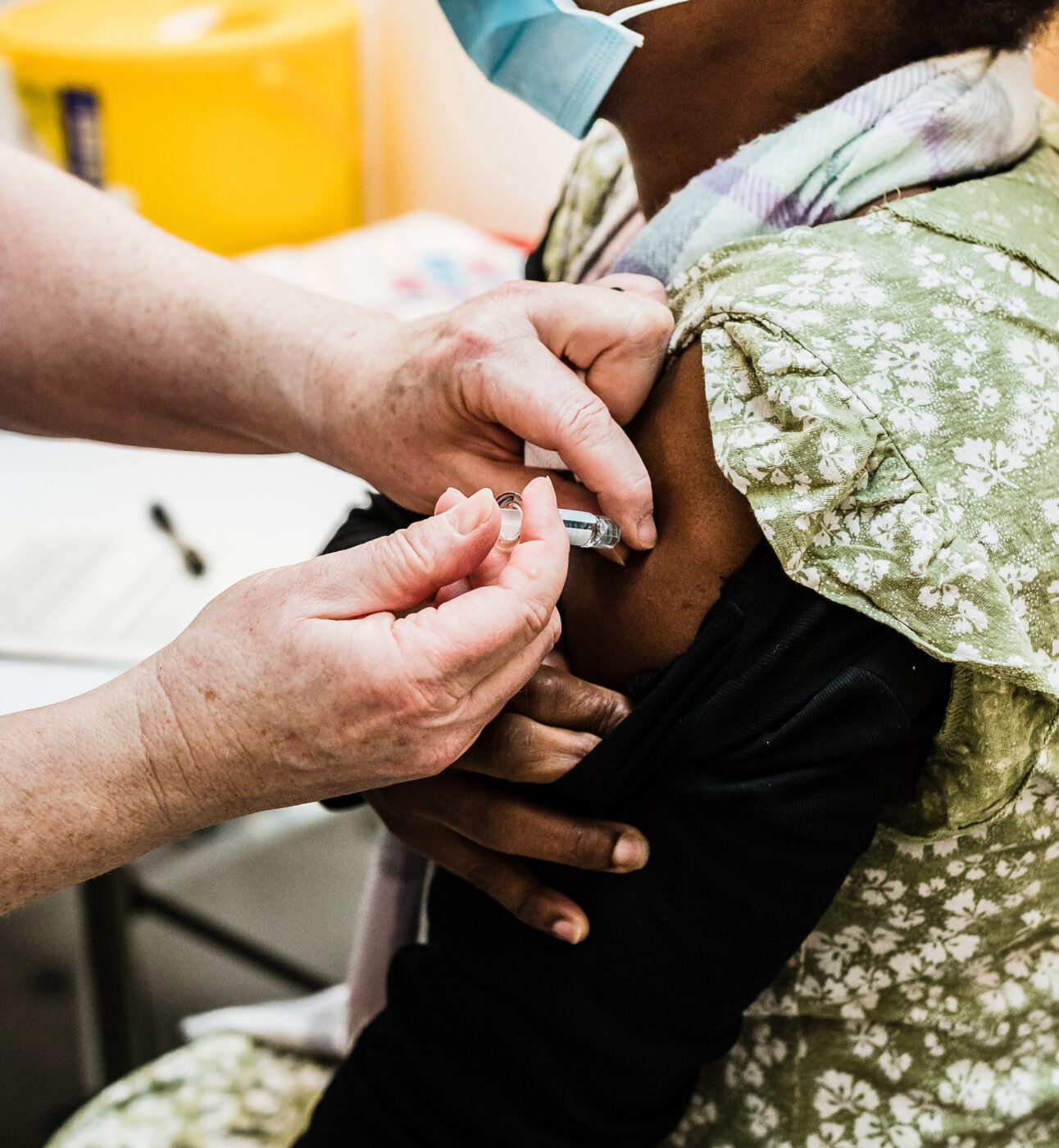
The Observatory has today published comprehensive findings on the prevalence and impact of long COVID among UK NHS healthcare workers (HCWs) from diverse ethnic backgrounds and occupational roles.
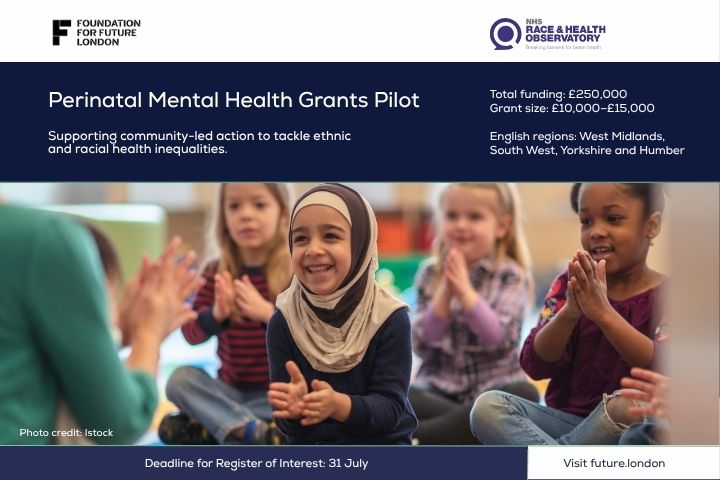
Local grassroots organisations are being encouraged to register interest for grant funding to tackle ethnic and racial health inequalities across England.
Responding to the final report and recommendations published today, an NHS Race and Health Observatory spokesperson, said:
Responding to the Independent Review of Maternity Services at Nottingham University Hospitals NHS Trust published yesterday, a spokesperson for the NHS Race and Health Observatory said:
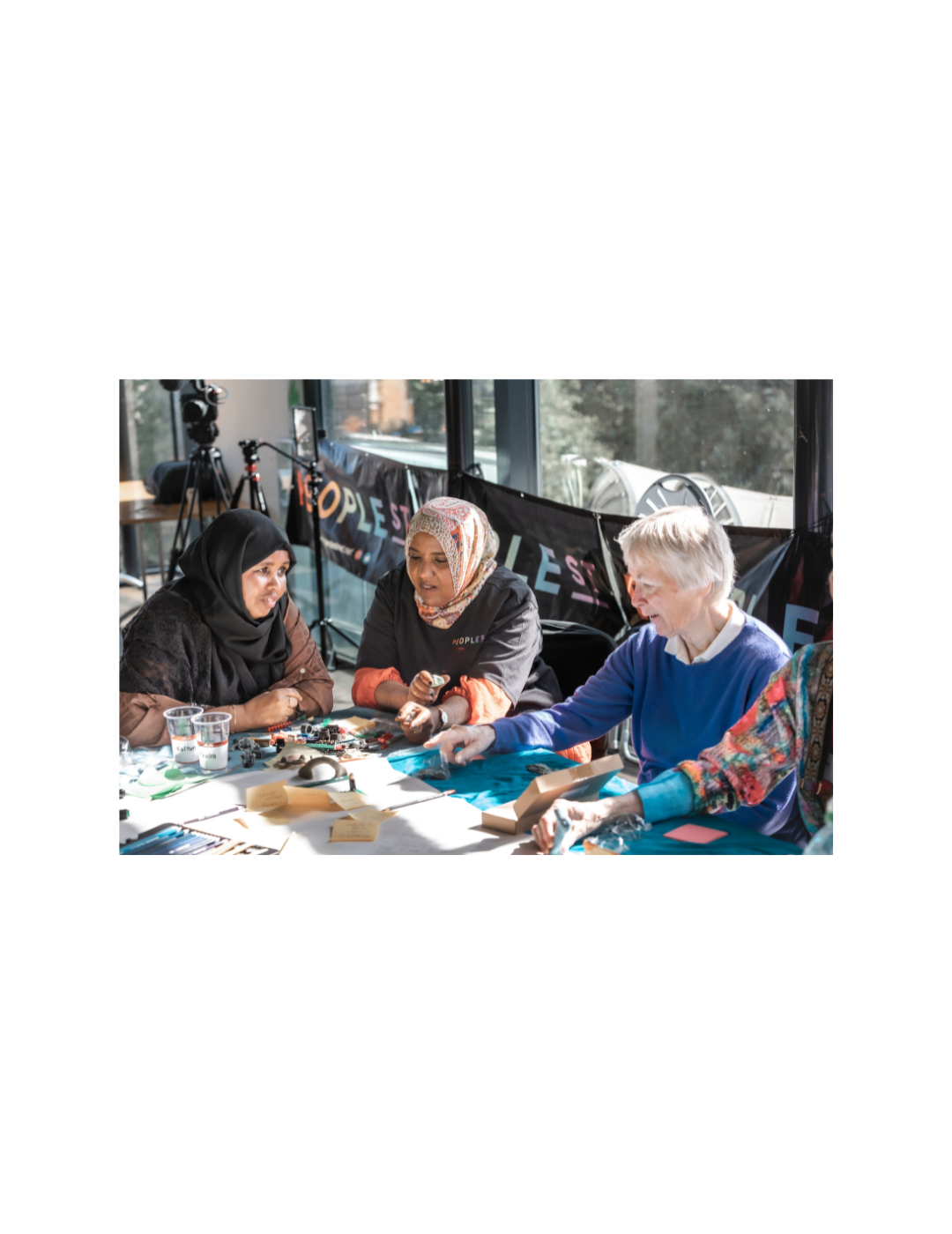
Long standing barriers that prevent Black, Asian and ethnic minority communities from accessing timely NHS dementia care and support will be examined as part of a new major review.

Responding to the recommendations of Lord Mann’s review published today, Professor Habib Naqvi, chief executive, NHS Race and Health Observatory, said:

An opportunity to work with us to critically examine the extent to which NHS leadership programmes adopt an anti-racism approach.

In an unprecedented move, national UK health and social care regulators including the Care Quality Commission (CQC), General Medical Council (GMC) and Nursing and Midwifery Council (NMC) have today committed & signed up to nine new shared anti-racism principles to help tackle longstanding racism experienced by health and social care staff.
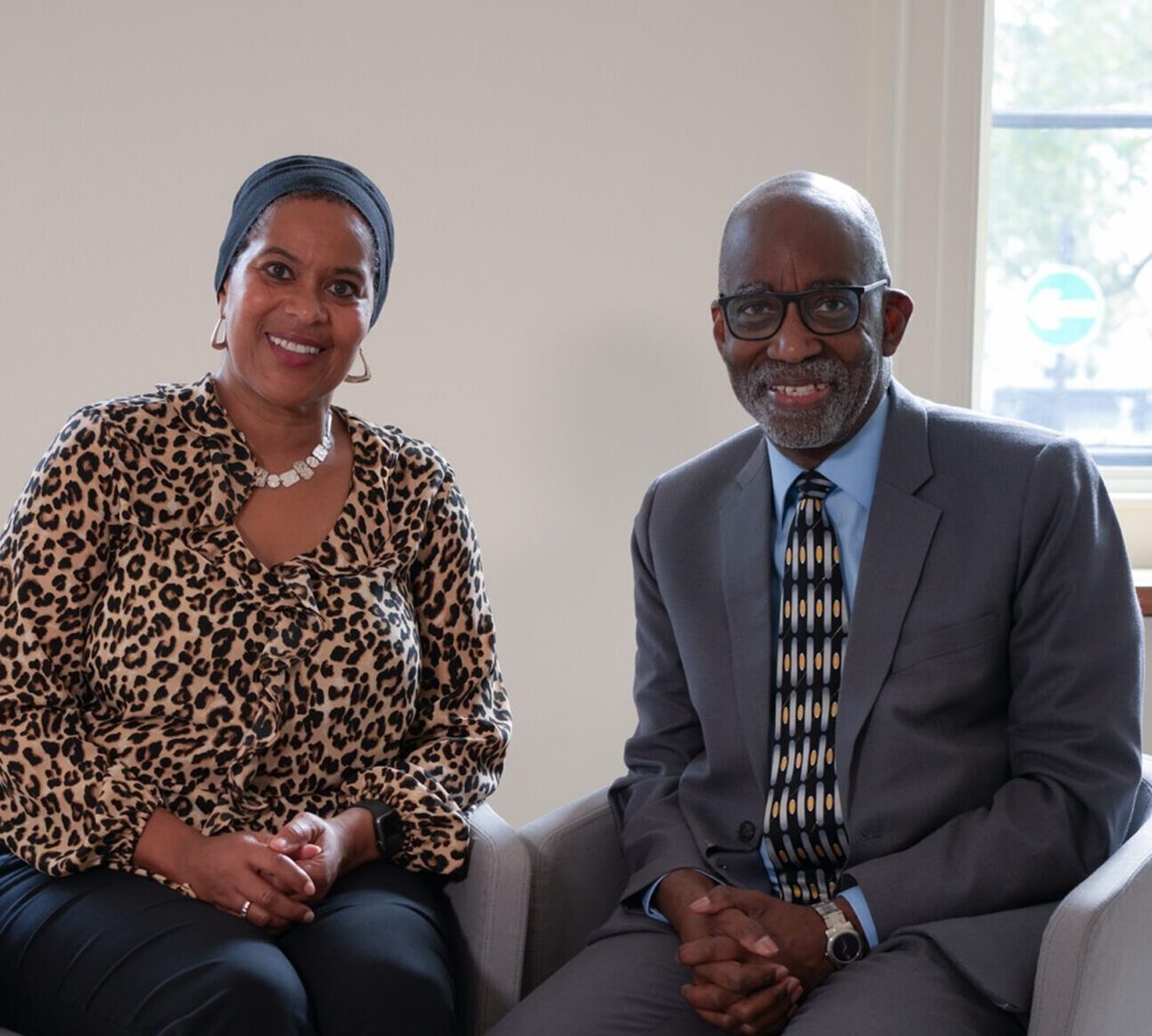
More than 150 senior leaders including former and current chief executives, board members and directors will join a leadership event designed to help NHS organisations confront, address and implement race equality in the workplace.

A groundbreaking new national programme designed to address stark ethnic inequalities found in maternal and neonatal care has been established between NHS England and the NHS Race and Health Observatory.
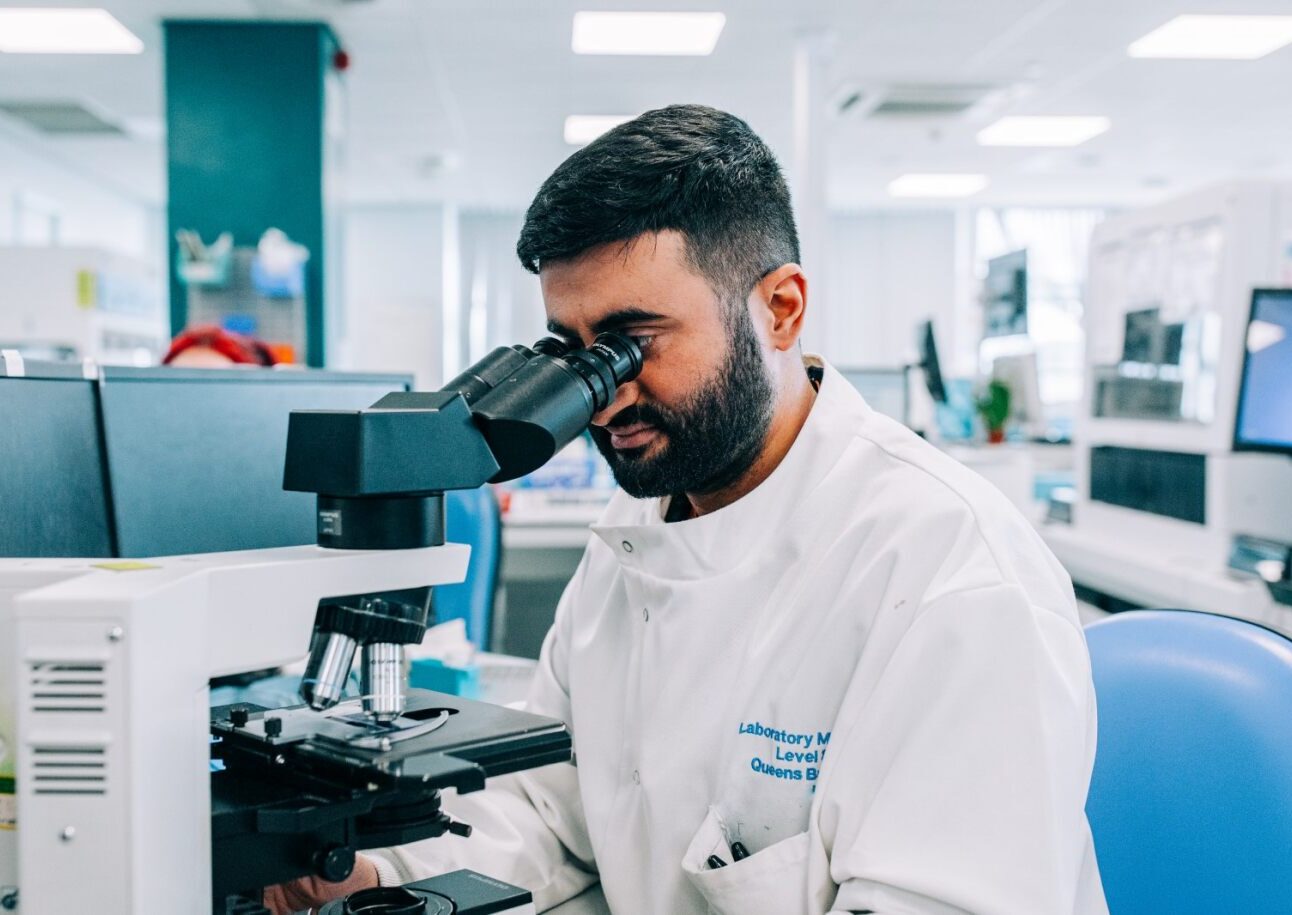
Routine genetic testing to guide use of chemotherapy has incorporated a new “African” gene variant which could potentially help save the lives of Black and ethnic minority cancer patients.

Responding to the inquest into the death of Irene Dzifa King Arthur, which heard that the 47‑year‑old who had sickle cell, might have survived had she received an urgent blood transfusion, Dr Carl Reynolds, Sickle Cell Medical Advisor at the NHS Race and Health Observatory, said:

Observatory Chief Executive confirmed as member of Maternity Taskforce.
The NHS Race and Health Observatory seeks a highly capable software development organisation to take over the maintenance of the NHS RHO website and ongoing development, maintenance, and strategic evolution of the Health Action Resource Platform.

Our new report finds that racism not only causes trauma and mental illness but also prevents people from getting the right support for their mental health.
Responding to interim findings of Maternity and Neonatal Services in England published today, Professor Habib Naqvi, chief executive, NHS Race and Health Observatory, said:
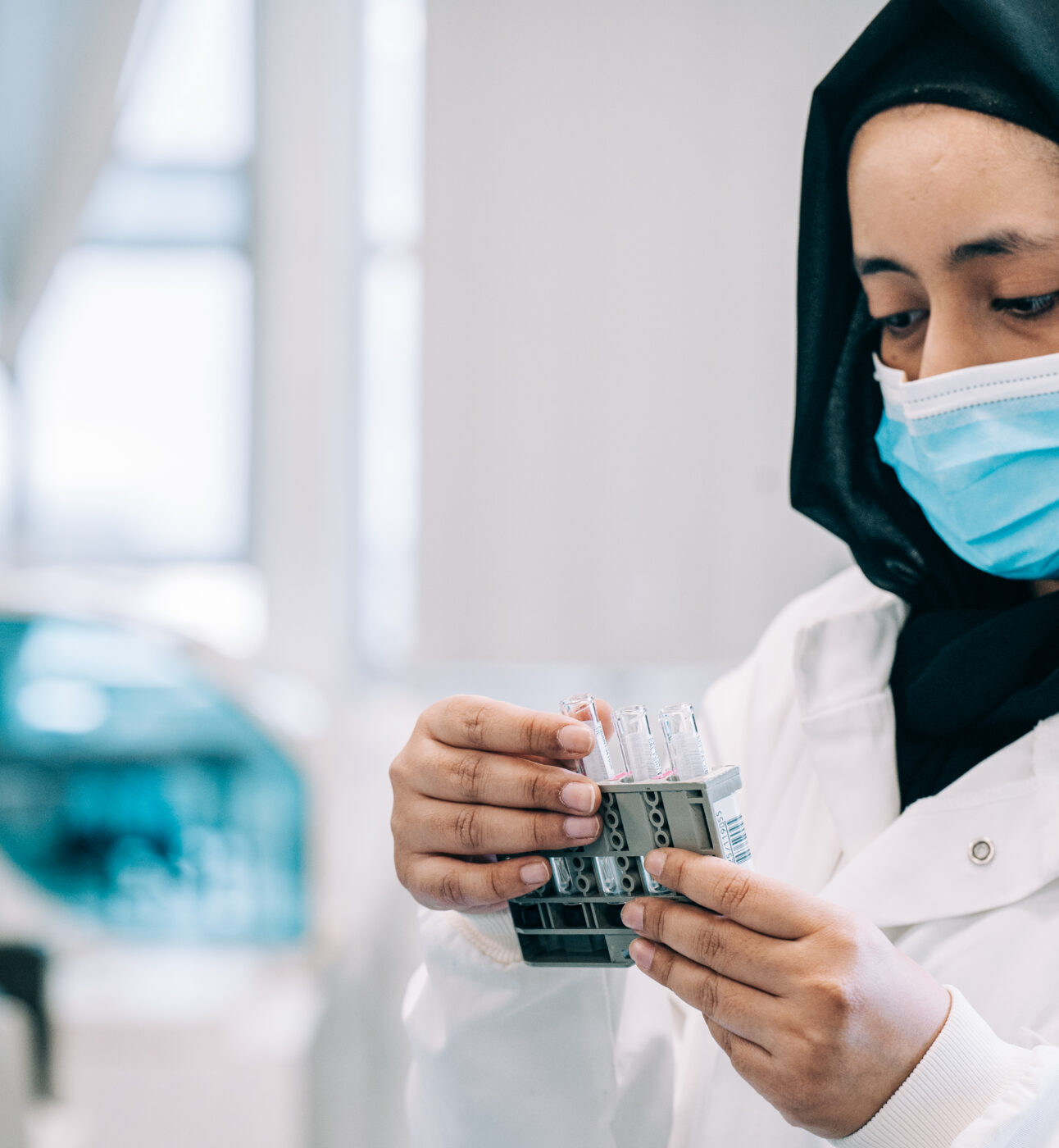
A 16-month programme aimed at closing the ethnicity gap in bullying, harassment and abuse claims has been announced by the NHS Race and Health Observatory.

Responding to the Five X More 2025 Black Maternity Experiences Report, Dr Nandi Simpson, Director: Implementation, NHS Race and Health Observatory, said:
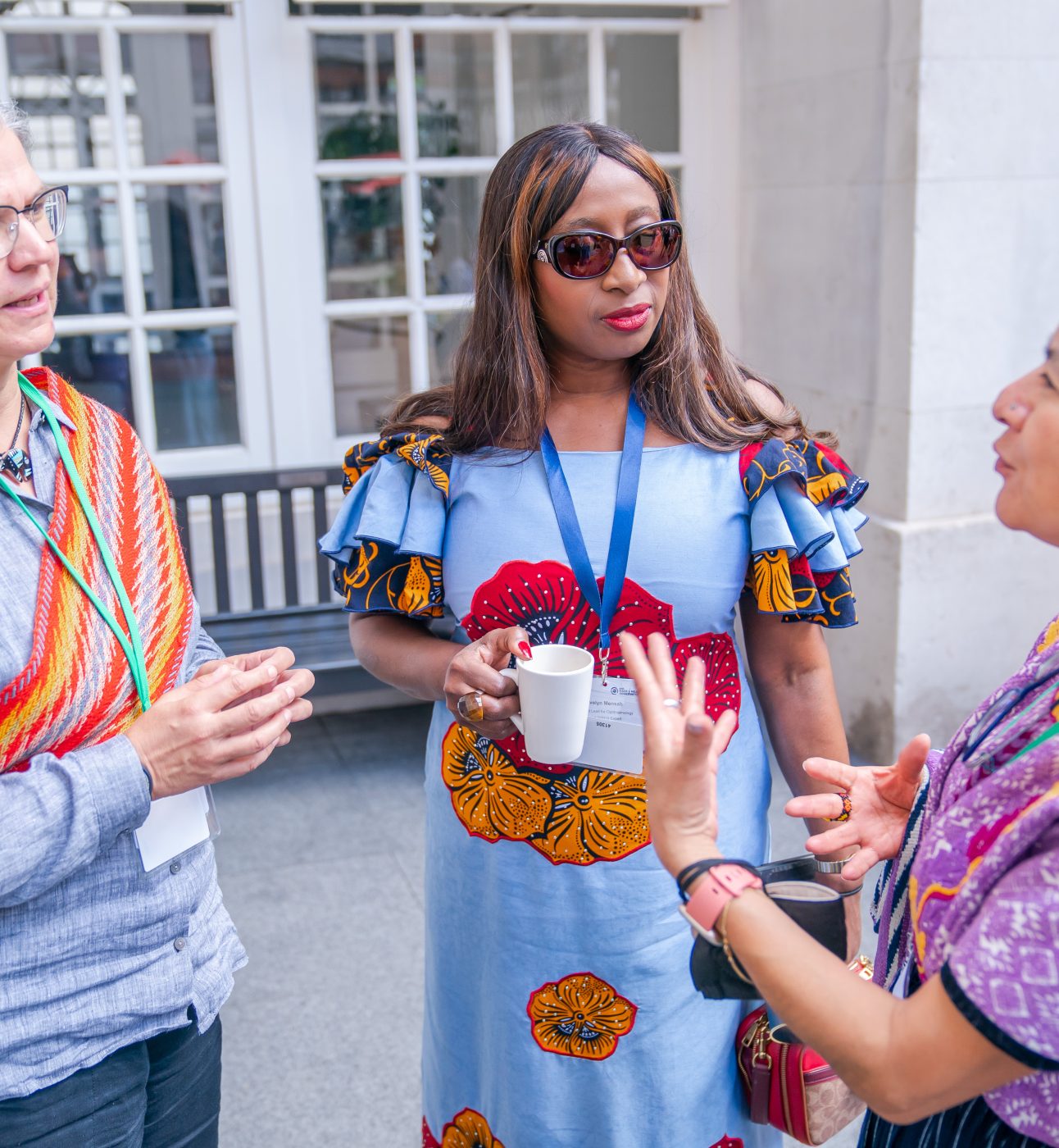
On 6 August, we will be launching a tender to commission the creation of a new, open-access resource enabling community participation and co-production with Black, Asian, and minoritised ethnic patients, communities, and staff.
Responding to the publication of the government’s 10 Year Health Plan, Professor Habib Naqvi, chief executive of the NHS Race and Health Observatory said:

Teaching curricula widely studied by healthcare professionals working across the NHS are under review in an effort to improve patient care and reduce racialised health disparities.
Response to publication of the NHS Workforce Race Equality Standard (WRES) data analysis for 2024.
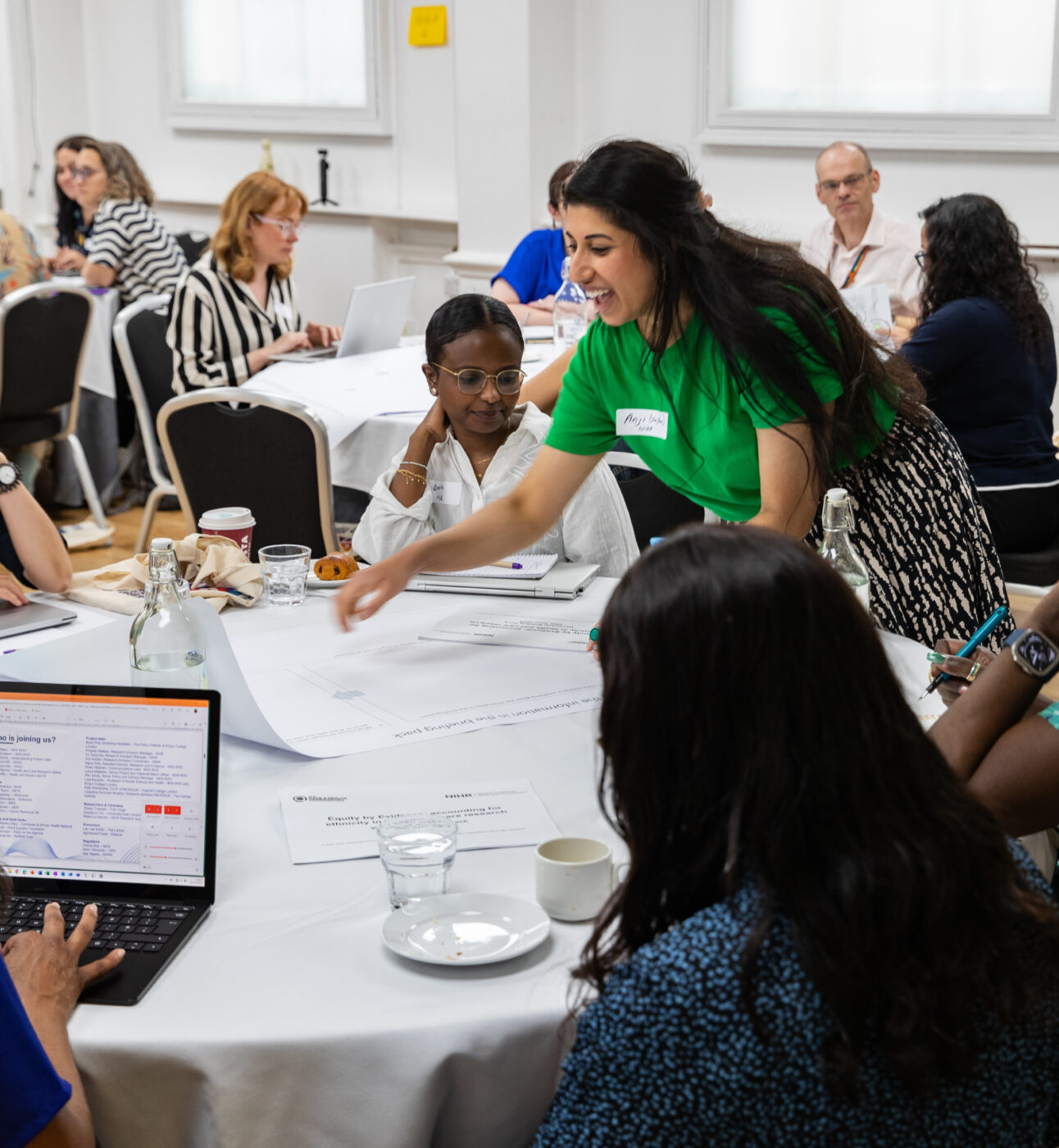
The under-representation of ethnic minority communities taking part in research, along with the lack of systematic data collection and reporting, will be investigated by national health and care research stakeholders.
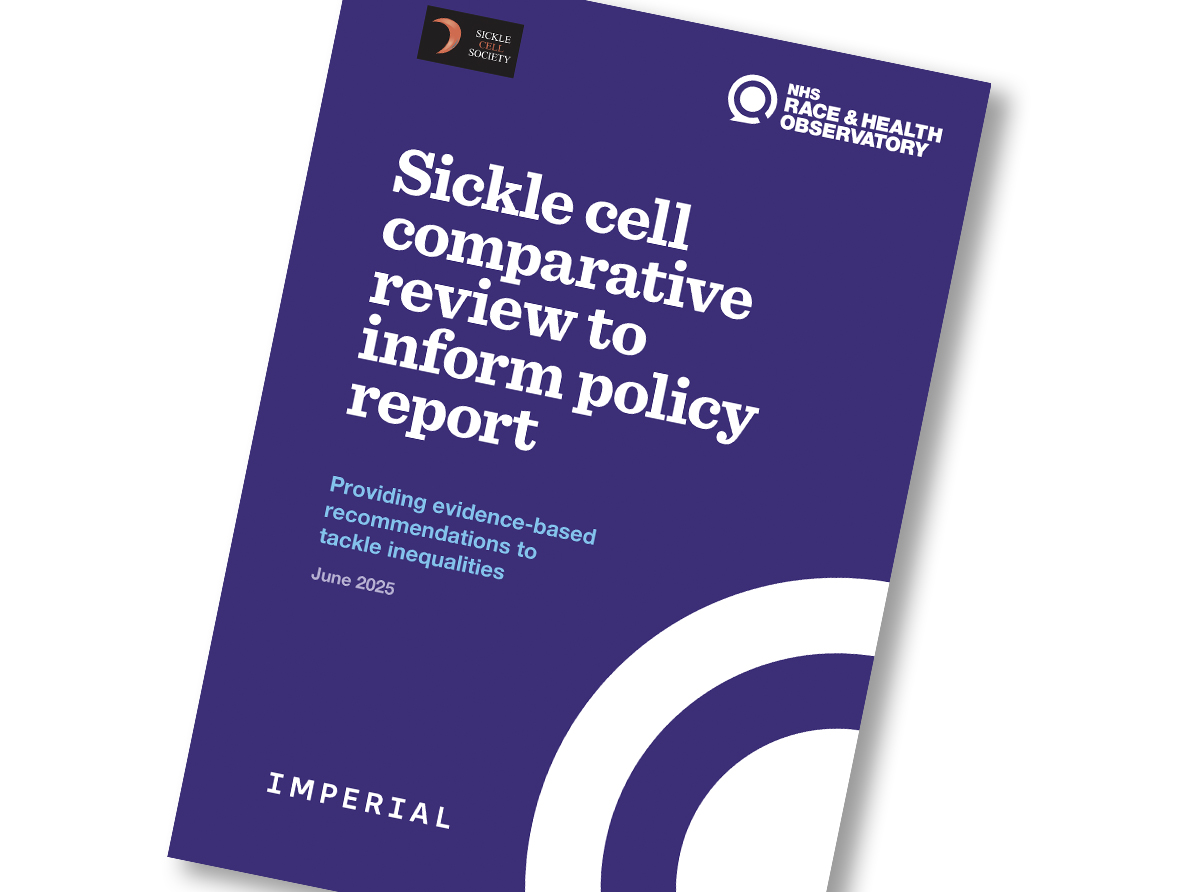
A new report which compares and contrasts disparities found across rare genetic diseases has been published on World Sickle Cell Day, today, 19 June.
NHS Staff survey data shows that bullying, harassment, and abuse towards and amongst NHS staff continues to be rampant.
On Tuesday 29 April, Bell Ribeiro-Addy MP secured a Westminster Hall debate on Black Maternal Health Awareness Week.