
Perinatal Equity and Anti-Discrimination Programme
Introducing the Perinatal Equity and Anti-Discrimination Programme (PEADP)
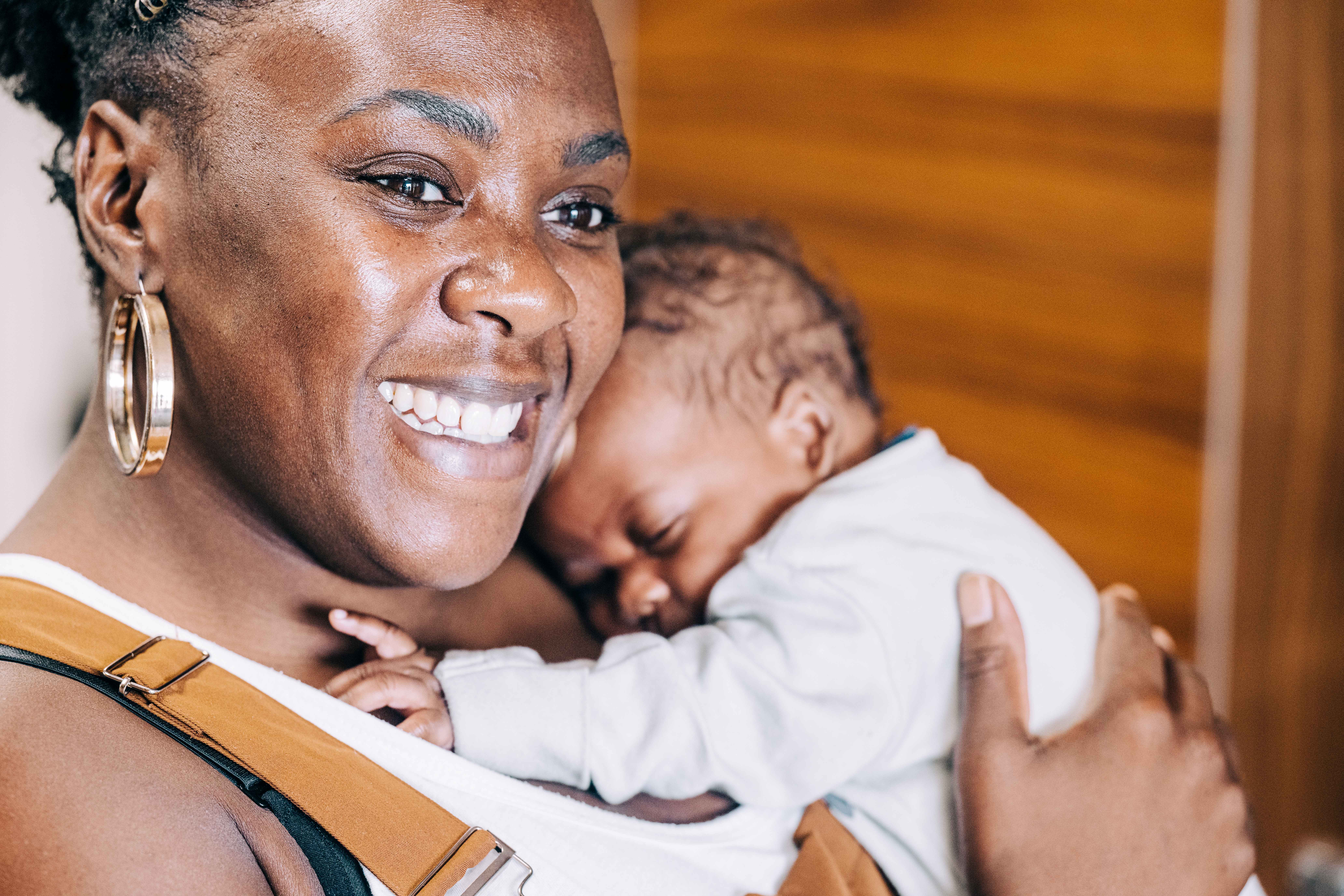
Introducing the Perinatal Equity and Anti-Discrimination Programme (PEADP), a national programme that aims to improve outcomes and experiences of maternity and neonatal care for mothers and babies from ethnic minority backgrounds, and improve ethnic minority staff experience of perinatal workplaces.
The programme forms a key part of the government’s commitment to tackle racism, improve safety and reduce maternal health inequalities.
NHS England has commissioned the NHS Race and Health Observatory as lead delivery partner for programme elements aimed at identifying local challenges, and development and training.
PEADP brings together multi-disciplinary teams of perinatal experts and executive leaders – clinicians, including senior midwives, obstetricians, neonatal nurses, maternity and neonatal voices partnership leads, as well as organisational development leads and data analysts – to collaborate with delivery partners to improve safety, culture, and ultimately outcomes for mothers, babies and families across England.
Why is action needed?
There is a need to improve maternity and perinatal services for everyone, but it is crucial to recognise the particularly stark, serious inequalities in access, experience and outcomes faced by Black, Asian and ethnic minority women and babies, which are well evidenced. The NHS has an increasingly diverse workforce; almost 30% of the NHS workforce is from an ethnic minority background, Disparities in staff experience highlight that staff from ethnic minority backgrounds experience disproportionate high levels of bullying, harassment and abuse, as well as inequalities in pay and progression.
These disparities also include:
- Black and Asian women and babies face significantly higher risks of dying during pregnancy or up to one year postpartum.
- Ethnic minority women report lower trust and poorer experiences of maternity care.
- NHS staff from minority ethnic backgrounds report discrimination, poor workplace support, and reduced confidence in raising safety concerns.
Improvement efforts without an explicit anti-racism and anti-discrimination lens will worsen these inequalities
Who is delivering the programme?
The programme is being led by the NHS Race and Health Observatory, working alongside our delivery partners; Advancing Quality Alliance, Inspiring Hope, and White Ribbon Alliance UK. Collectively, the delivery partnership brings expertise and experience in anti-racism and anti-discrimination transformational change in perinatal services, patient safety, and data-driven quality improvement approaches.
The NHS Race and Health Observatory
 An independent expert body set up to identify and tackle inequalities experienced in health and healthcare by Black and minority ethnic patients, communities and the workforce. Maternal and neonatal racial disparities have been central to the RHO’s work, including its national Maternity and Neonatal Learning and Action Network (LAN), with learnings leading to the Anti-Racism Model for Improvement (MFI-AR).
Advancing Quality Alliance (Aqua)
Brings extensive experience supporting health and care organisations, including co-leading the NHSE commissioned national Maternity Safety Measurement Programme across 14 challenged Trusts in 2023 and the Board Level Maternity Safety Champions and Non-Executive Directors Leadership Development Programme in 2022. Their expertise includes site-based coaching, data analysis, metric development, and convening NHS leaders.
Inspiring Hope

Has led national NHS strategies on equity, workforce wellbeing, and culture, including the accredited Workforce Race Equality Standards (WRES) Experts Programme. Their principal associate, Jacynth Ivey MBE, offers frontline and executive experience as a former midwife and Board-level Maternal and Neonatal Safety Champion.
White Ribbon Alliance UK (WRA UK)

Specialises in training grounded in anti-racism, trauma-informed practice, and compassionate leadership. In collaboration with RHO and the University of Southampton, WRA UK co-developed the Racial Equity IMPACT Scorecard, a tool to debias policies and practices using an anti-racism lens.
Who is the programme for?
The programme is tailored to three groups of perinatal leaders, recognising that anti-racism and anti-discrimination leadership is crucial regardless of seniority and staff group.
Specifically, this involves:
- Senior Leaders: Those responsible for leadership of perinatal services such as Directors of Nursing, Directors of Midwifery, Clinical Directors, Operations Leads, Executive Sponsor, MNVP leads and Director of People/ Organisational Development
- Guideline Leads: Those responsible for creating and updating guidelines and policy within the unit, including guideline/ governance leads for both maternity and neonatal services
- Clinical Leaders: Those responsible for day-to-day clinical leadership of perinatal services: clinical matrons, labour ward coordinators, neonatal nurses, obstetricians, and neonatologists
NHS England will work with each Trust to confirm their participant list as part of programme onboarding.
What does the programme involve?
PEADP provides a tailored offer to support leaders across every NHS perinatal service in England. Rolled out across the seven NHS regions, via 14 cohorts, the programme will support teams through a structured process to build a clear, evidence-based understanding of how racism and discrimination are experienced locally by both perinatal staff, women, families, and their babies.
Key activities include:

Training and development
As senior leaders, guideline leaders, and clinical leaders, you will undertake two days of reflective anti-racism and anti-discrimination training to build understanding of key concepts and evidence-based practical leadership approaches you can take back to your practice. You will also have the opportunity to apply the learning to address an issue within your local practice through anti-racism action learning sets.
Community listening and engagement
The RHO team will work with you to conduct community listening and engagement activities to understand the experiences of minoritised families and communities in using your services. As part of the programme, ongoing support and resources will also be provided to MNVP leads and staff, such as trauma-informed facilitation training, and guidance on how to hold culturally sensitive conversations with mothers and families to capture ethnicity data.
Staff listening and engagement
Inspiring Hope will work with you to understand the experience of minoritised staff working in your services. They will work with you to understand what actions have been taken from previous listening activities, as well as support you to be able to run staff engagement activities with anti-racism lens beyond this programme. Where relevant, they will also be holding independent and confidential staff listening sessions. Anonymised themes from these sessions will be summarised and fed back to senior leaders to drive action as part of subsequent Common Understanding sessions.
Common Understanding sessions
Building on the training days, RHO and Advancing Quality Alliance (Aqua) will work with senior leaders in each Trust to identify and prioritise opportunities to improve care for marginalised communities as well as staff from these groups working to deliver services. Using local routine data, community engagement and staff listening insights, as well as national data, we aim to build a shared understanding of the existing and new actions you want to prioritise to tackle racism and discrimination within your services. You will also have the opportunity to get bespoke data analysis coaching support from the Aqua team.

Peer learning
Throughout the programme, national Lunch and Learn sessions will be held. These sessions are open to all perinatal teams, and showcase tools, resources, and examples of best practice available to help progress and sustain your changes.
Useful links and resources
- Read the public announcement of the Perinatal Equity and Anti-Discrimination Programme (PEADP).
- Between 2023 and 2026, we worked with colleagues from the Institute for Healthcare Improvement and a group of experts to develop and deliver an anti-racism focused Quality Improvement programme for maternity and neonatal care. You can learn more about the Learning Network (LAN) we hosted, and read blogs from some of the teams involved.
- Read What happens when racism is named in quality improvement?